Back in 2015, I began my career as a Creative Designer at Tiniworld. At the time, the company was already a household name, a dominant force in Vietnam’s entertainment landscape for nearly a decade. I jumped in headfirst, working side-by-side with the marketing team to bring our campaigns to life.
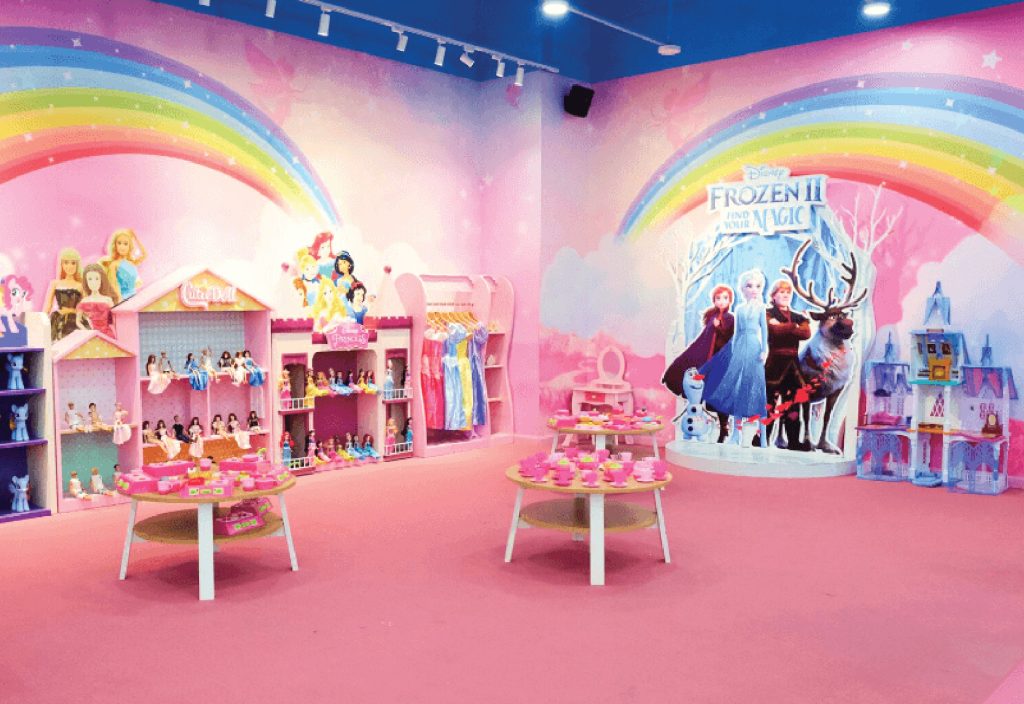
My days were a whirlwind of design, creating everything from POPs, POSMs, and social posts to visual merchandising (VM) for marketing events and sales programs. It was a fast-paced environment where every detail mattered. One of my proudest early achievements was a Disney window display design that not only received praise from Ms. Jolene Kieu of Walt Disney but was also recognized as a “best practice” by the company. It was an incredible validation of the hard work and a sign that I was on the right path.
Find out about this VM here:
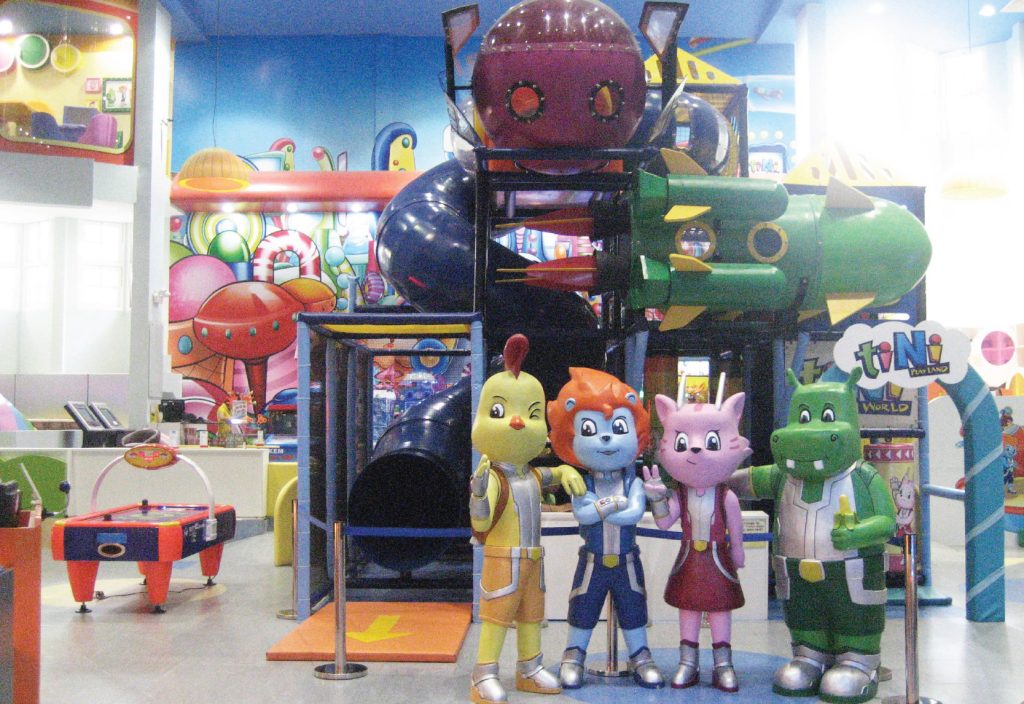
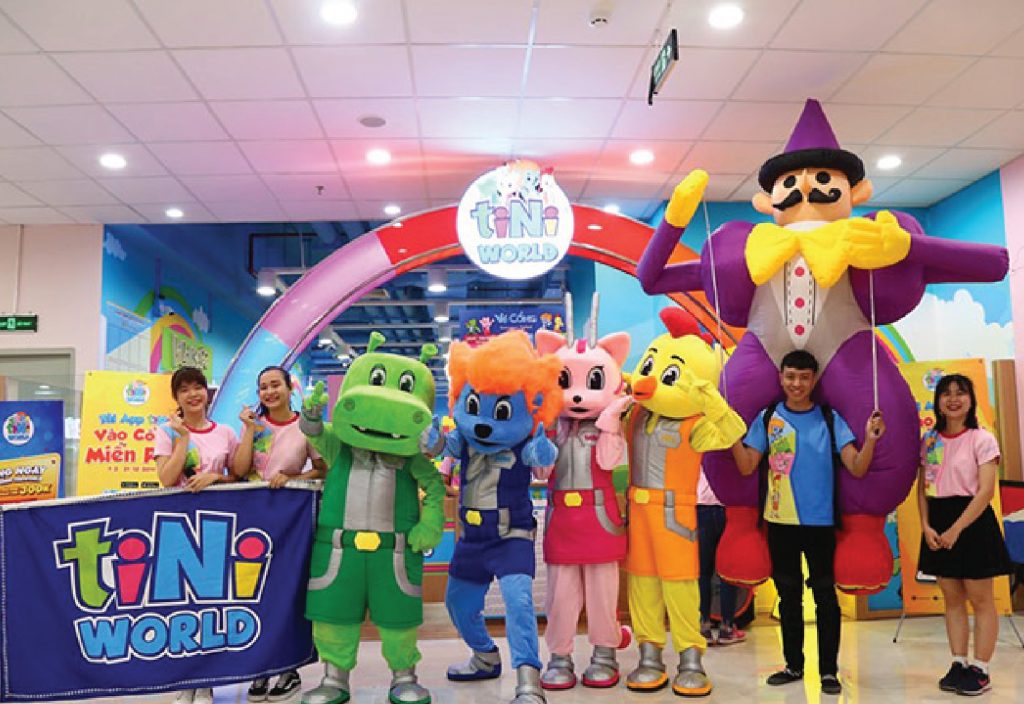
While I was finding success in my role and be promoted to Project Design Team Leader, I felt a pull towards a different challenge. Back in 2009, when Tiniworld first opened its doors, it wasn’t just about the ball pits and slides. It was about creating a world, a universe populated by friendly characters that kids could instantly connect with. These four mascots — Juno, Tera, Kilo, Pica — were more than just logos; they were the heart and soul of the brand. But as luck would have it, a new chapter was just around the corner